
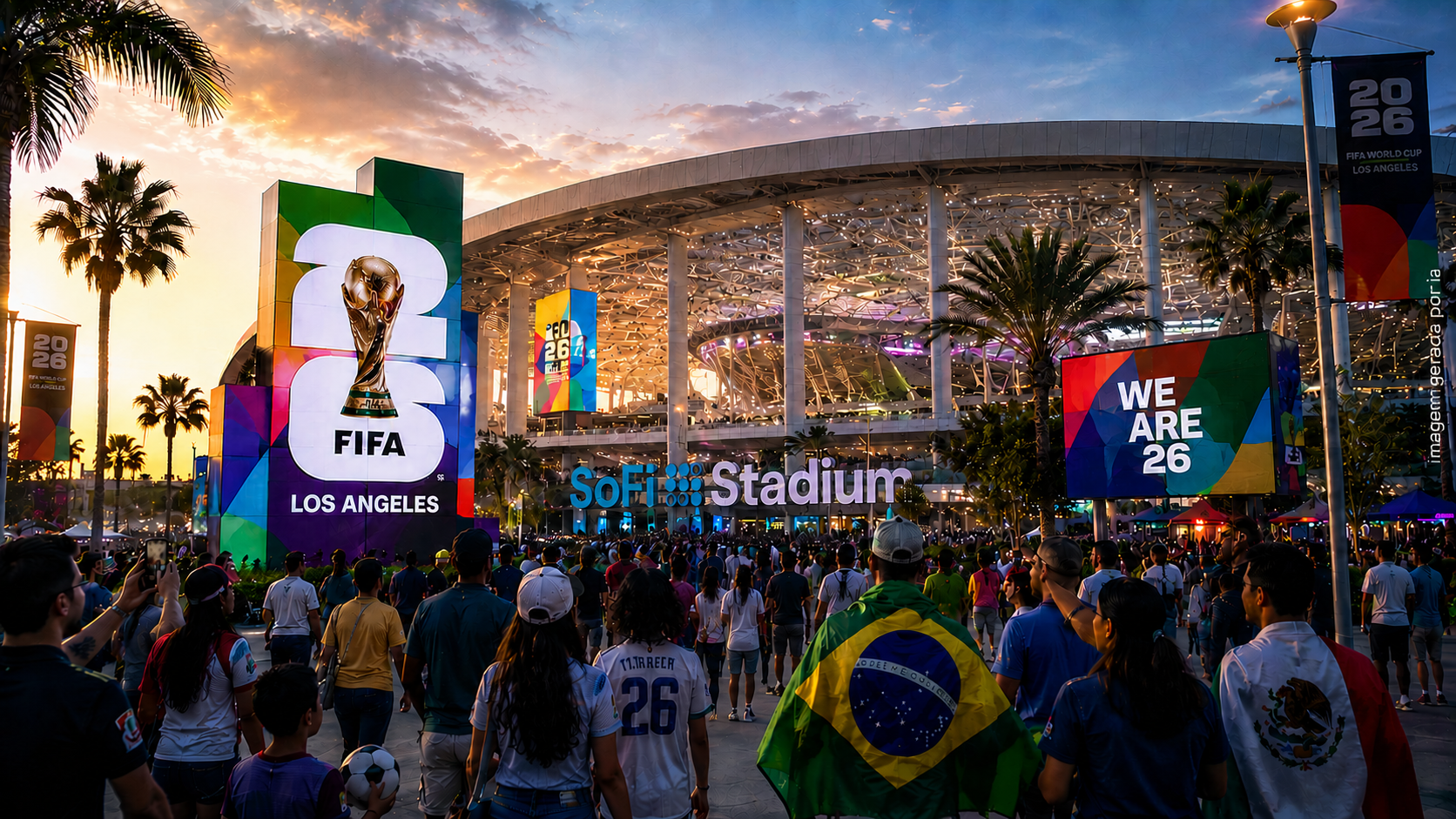
The FIFA World Cup has always been one of the world's most powerful brand platforms. But the 2026 edition has the potential to reshape experiential marketing in even more profound ways not simply because of its scale, but because of the way people will experience it.
With matches spread across the United States, Canada and Mexico, multiple host cities and audiences connected through social media in real time, the tournament is expected to accelerate one of the biggest transformations in Live Marketing: Experiences are no longer isolated activations. They're becoming platforms for emotional and cultural connection.
This was one of the key discussions in Propmark's feature "Live Marketing Explores New Ways to Engage Brazilian Football Fans," featuring insights from Denise Garrido, CEO & Founder of ATENAS.
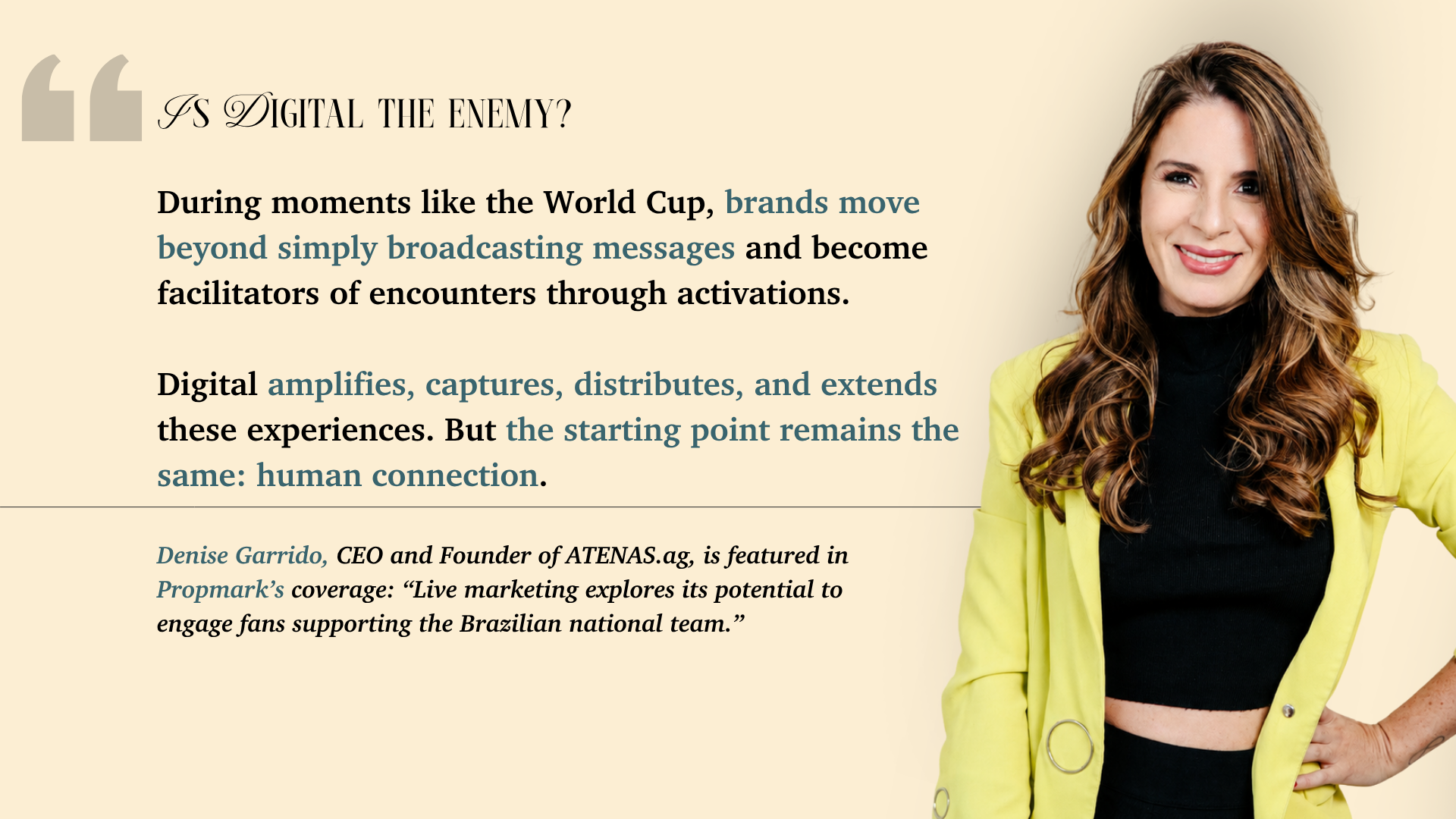
The article highlights a shift already visible across the industry: Brands are no longer competing solely for attention. They're competing for cultural relevance.
The World Cup No Longer Happens Only Inside the Stadium
For decades, major activations followed a simple formula: One stage. One audience. One moment.
But behavior has changed. The World Cup now unfolds across multiple spaces at once: in bars, on the streets, in urban environments, within groups of friends, across social media, and through the small rituals created around each match.
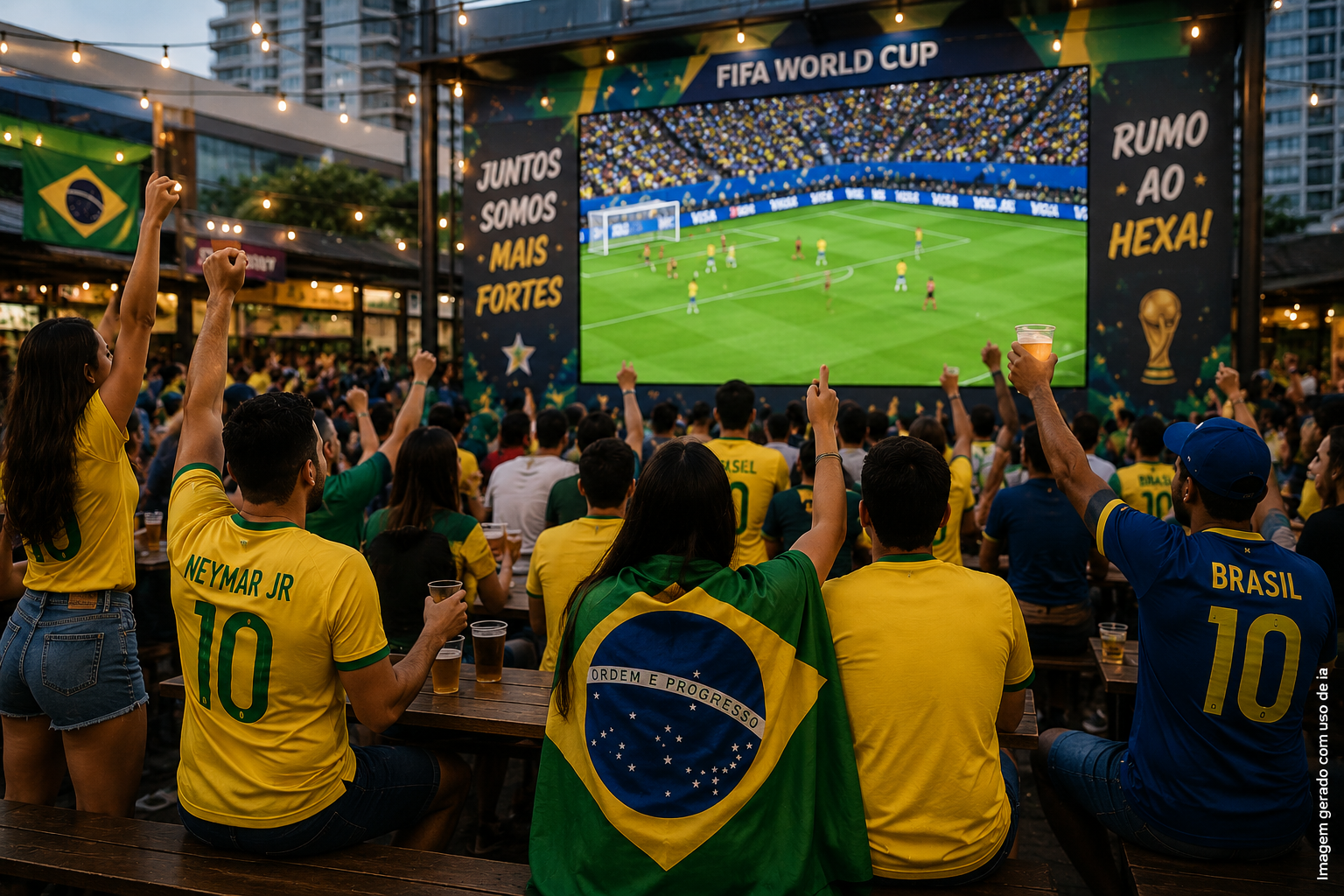
This fundamentally changes how brands should design experiences. Rather than concentrating everything into a single activation, Live Marketing increasingly operates through distributed ecosystems that connect multiple territories, communities and contexts while maintaining a consistent narrative. The objective is no longer maximum reach, It's maximum relevance.
Why Physical Experiences Matter More Than Ever
In the Propmark article, Denise Garrido describes Live Marketing as "an emotional infrastructure for brands." Few concepts better capture today's landscape.
In a world saturated by digital stimuli and fragmented attention, physical experiences offer something that digital channels cannot fully replicate: a sense of presence, belonging, and shared emotion.
As pessoas querem participar. Querem compartilhar momentos.
Querem viver experiências reais. Por isso, o live marketing deixa de ocupar apenas um papel promocional e passa a atuar como ferramenta de construção de vínculo emocional entre marcas e pessoas.
Brands Can't Depend on the Scoreboard
Another important point raised in the article is the fragility of strategies built exclusively around Brazil winning.
When a campaign depends entirely on the match result, the brand becomes vulnerable to the outcome. The strongest World Cup experiences are those that remain relevant before kickoff, throughout the tournament and long after the final whistle. Because fans don't live only through victories. They live through anticipation. Tradition, Ritual, Celebration, Community and Identity. That's where genuine emotional connection is built.
Physical and Digital Are Stronger Together
Today’s most successful experiences don’t choose between physical and digital. They integrate both.
The physical creates emotion. The digital amplifies it. One generates memories. The other extends their reach. The strongest activations are those capable of delivering meaningful experiences to people on site while simultaneously creating content that resonates with audiences everywhere else. That dynamic will become even more important during global events like the FIFA World Cup 2026.
Arena Trionda: Experience as Cultural Connection
The Propmark feature also highlights Arena Trionda, the immersive experience created by ATENAS for adidas at Shopping Eldorado in São Paulo. The activation invited visitors to revisit the history of the FIFA World Cup through immersive environments, projections, interactive installations and personalized products.
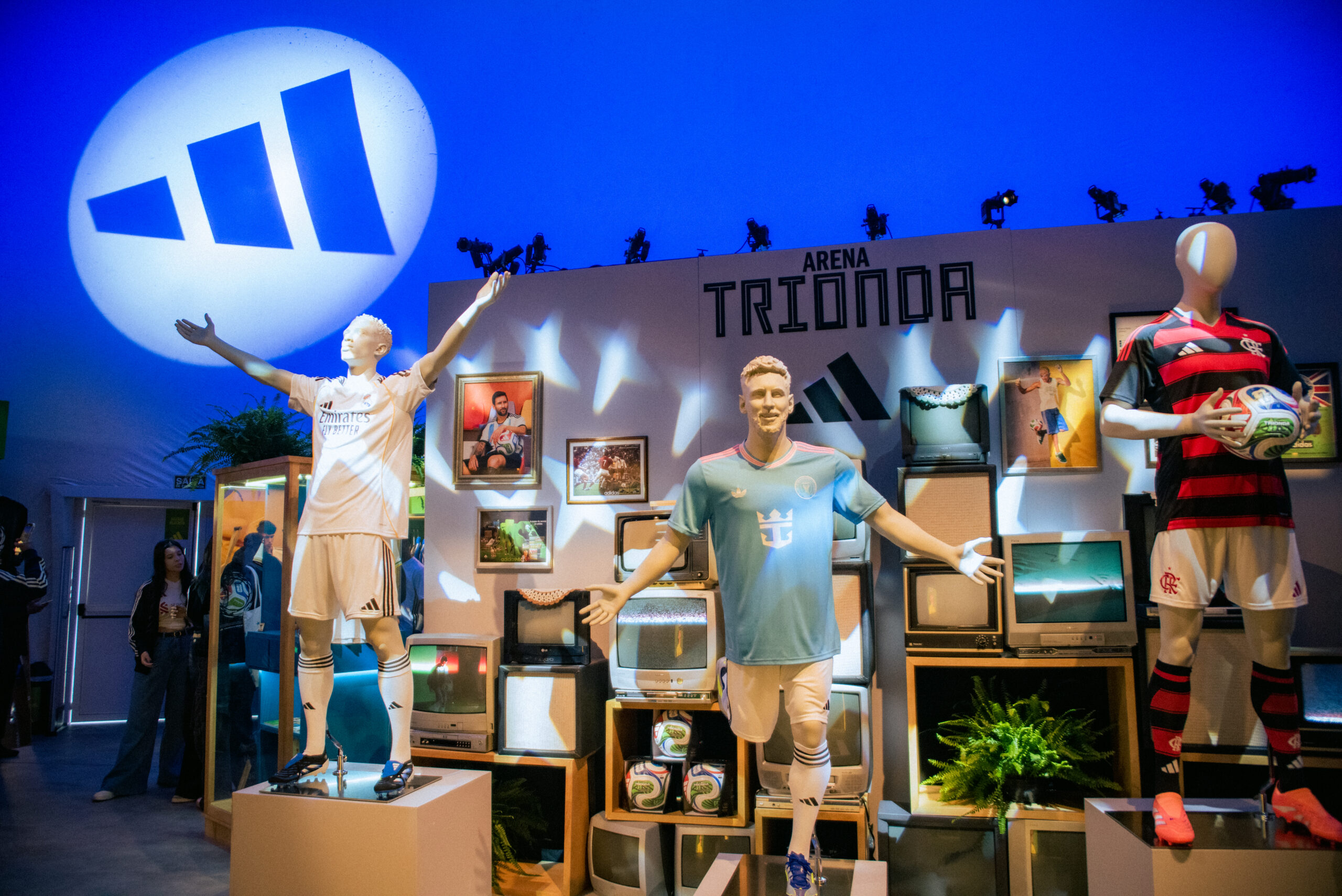
More than a football-themed activation, Arena Trionda became a meeting point where sport, culture, lifestyle and shared memories came together.
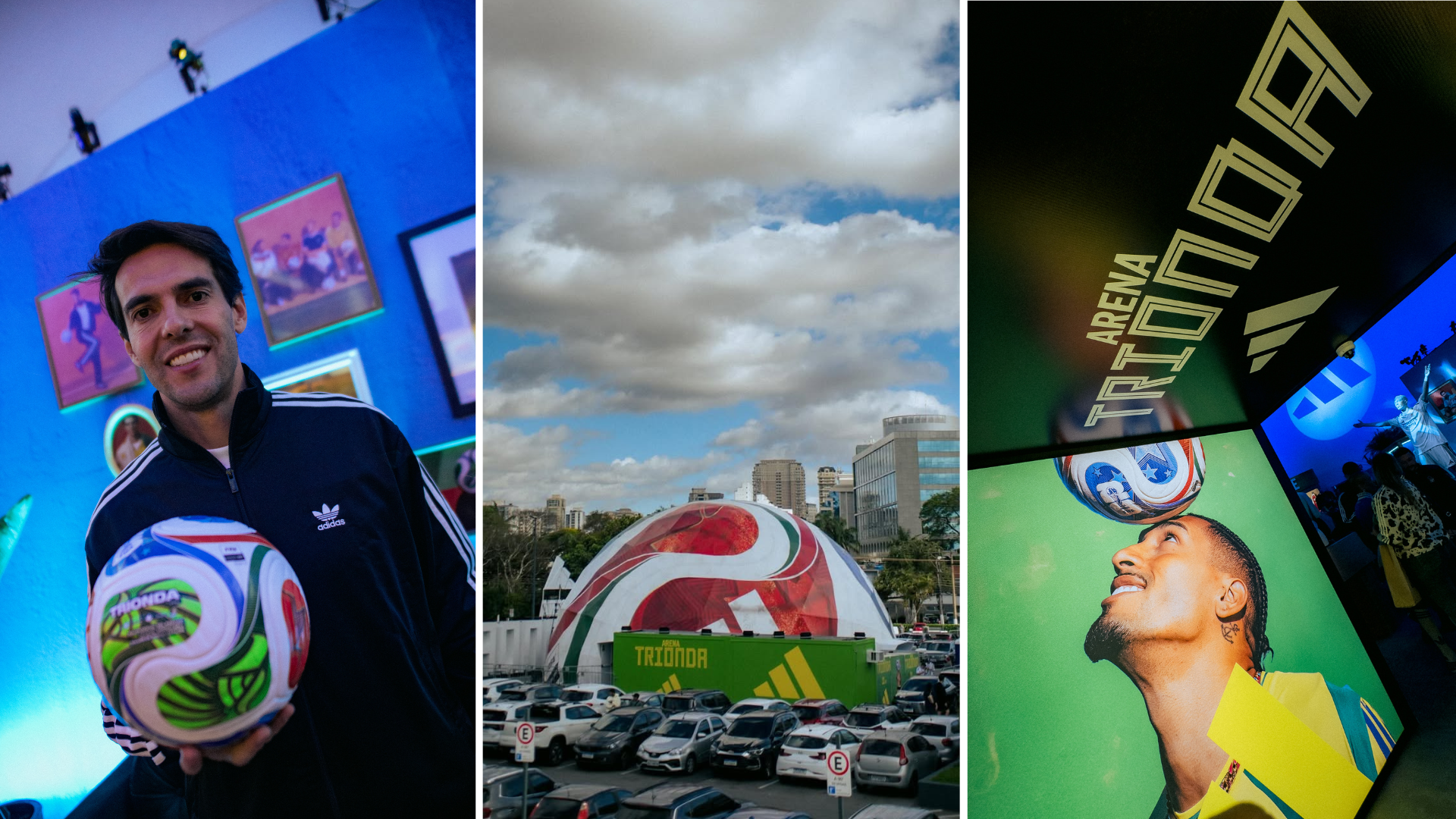
Because perhaps that's the greatest transformation taking place in Live Marketing today: Brands are no longer simply communicating messages. They're creating spaces where real human connections happen.