
By Denise Garrido, CEO & Founder, ATENAS.ag
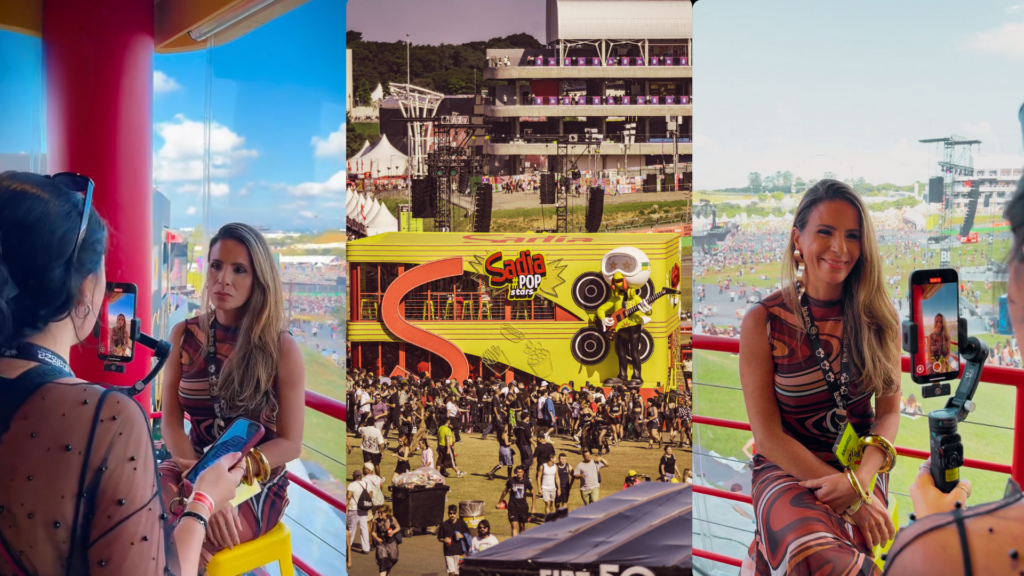
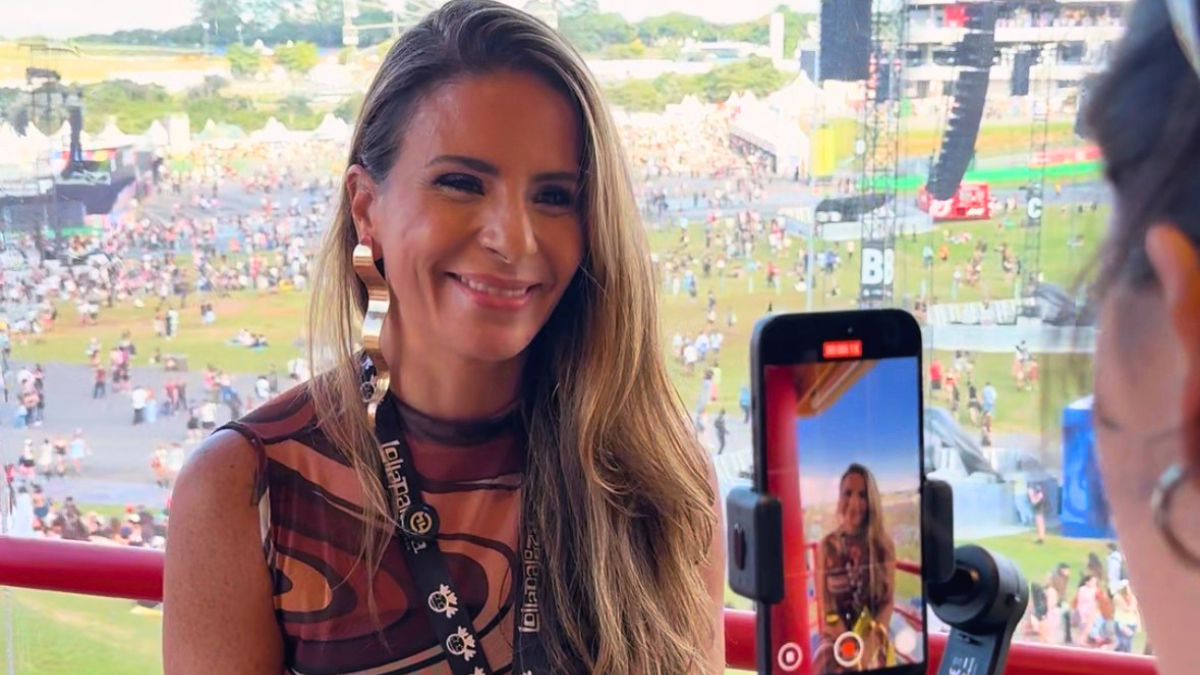
During Lollapalooza 2026, I had the opportunity to take part in an important discussion in an interview for the profile of EXAME on Instagram: What role should brands play within festival experiences, particularly for a Generation Z audience that relates to consumption, attention and value in fundamentally different ways?
We've seen a growing discussion around the idea that Gen Z increasingly values utility-driven activations and within the context of festivals, that makes perfect sense. Festivals are naturally intense environments. Long hours. High temperatures. Constant movement. Low phone batteries. Brands have an opportunity to complement the festival experience by making it smoother, easier and more enjoyable.
Research cited by EXAME reinforces this idea. According to InstitutoZ, part of Trope, 43% of Gen Z values activations that solve immediate needs, such as water stations, rest areas or charging points. Meanwhile, 69% are more likely to remember brands that helped them at exactly the right moment.
This reflects an important shift in Live Marketing. We've moved beyond exposure toward contextual relevance. Capturing attention is no longer enough. Brands must become genuinely useful within people's journeys. But there's an important distinction to make. Utility alone doesn't build emotional connection.
The experiences people remember go beyond functionality. They are built on concepts, stories and cultural relevance. Because memory isn't created by attention alone. It's created by meaning. Solving a problem matters. Transforming that solution into a memorable experience matters even more.
The real opportunity lies in balancing both. Not choosing between utility and creativity but combining them. Turning service into experience. Creating moments that solve real needs while simultaneously generating desire, engagement and lasting memory.
At ATENAS, as festival specialists, we live this in practice. We have a deep understanding of this space to create relevant, proprietary deliverables for brands.
One example was the delivery developed for Sadia at Lollapalooza 2026. More than simply establishing a presence at the festival, the initiative was designed as an experience that seamlessly integrated product, culture, and entertainment into the event environment. Built around the “PopStars” concept, the activation invited attendees to step into their own moment of protagonism. The strategy combined immersive experiences, music-driven interactions, content creation opportunities, and thoughtfully designed spaces that positioned the brand as an active part of the audience’s journey. The approach went beyond product sampling. The moment of pause was reframed as an extension of the festival’s cultural experience, turning the space into a hub for connection, self-expression, and brand engagement aligned with audience behavior and expectations.
Ultimately, festivals like Lollapalooza reveal an important truth: The brands that create lasting value are no longer supporting the cultural experience. They're becoming part of it.
The main stage will always matter. But increasingly, it's during the breaks that brands earn their place in people's memories.
Watch the full interview to continue the conversation.