
By Denise Garrido, CEO & Founder, ATENAS.ag
As Lollapalooza Brasil comes around once again, it's impossible not to reflect on the role festivals now play in brand strategy. But perhaps the more interesting question is this: festivals are no longer the end of the experience they're just the beginning.
Over the past decade, marketing has evolved from campaigns focused primarily on reach to strategies built around experience, connection and memory. The rise of experiential marketing reflects this shift: brands looking to remain relevant must move beyond visibility and create interactions that build genuine relationships with people.
That evolution has also changed the role of brand activations. Simply showing up at major events or creating a memorable moment is no longer enough. Today's most effective activations continue to generate value long after the event is over through conversations, shared memories, cultural relevance and ongoing relationships with audiences. The experience must extend beyond the physical venue and become part of people's everyday lives.
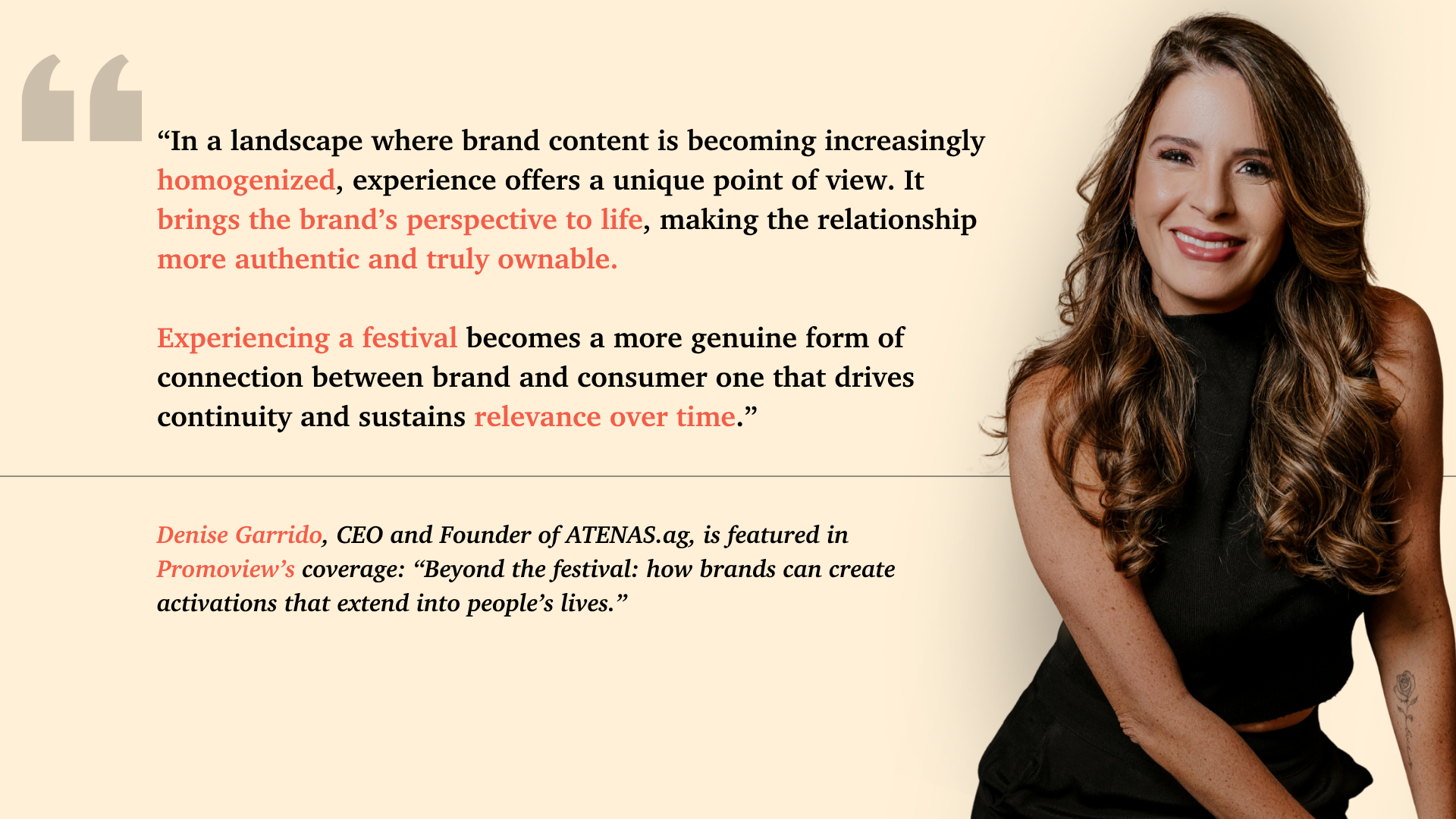
This perspective was recently explored in a Promoview feature titled "Beyond the Festival: How Brands Can Create Activations That Continue in People's Lives," where I joined fellow industry leaders to discuss how experiential marketing is evolving.
From Impact to Continuity
Festivals have evolved from visibility platforms into strategic cultural territories. The brands that perform best are those that understand cultural relevance matters more than presence, that experiences should be designed to continue over time, and that every activation is simply one chapter within a broader brand narrative.
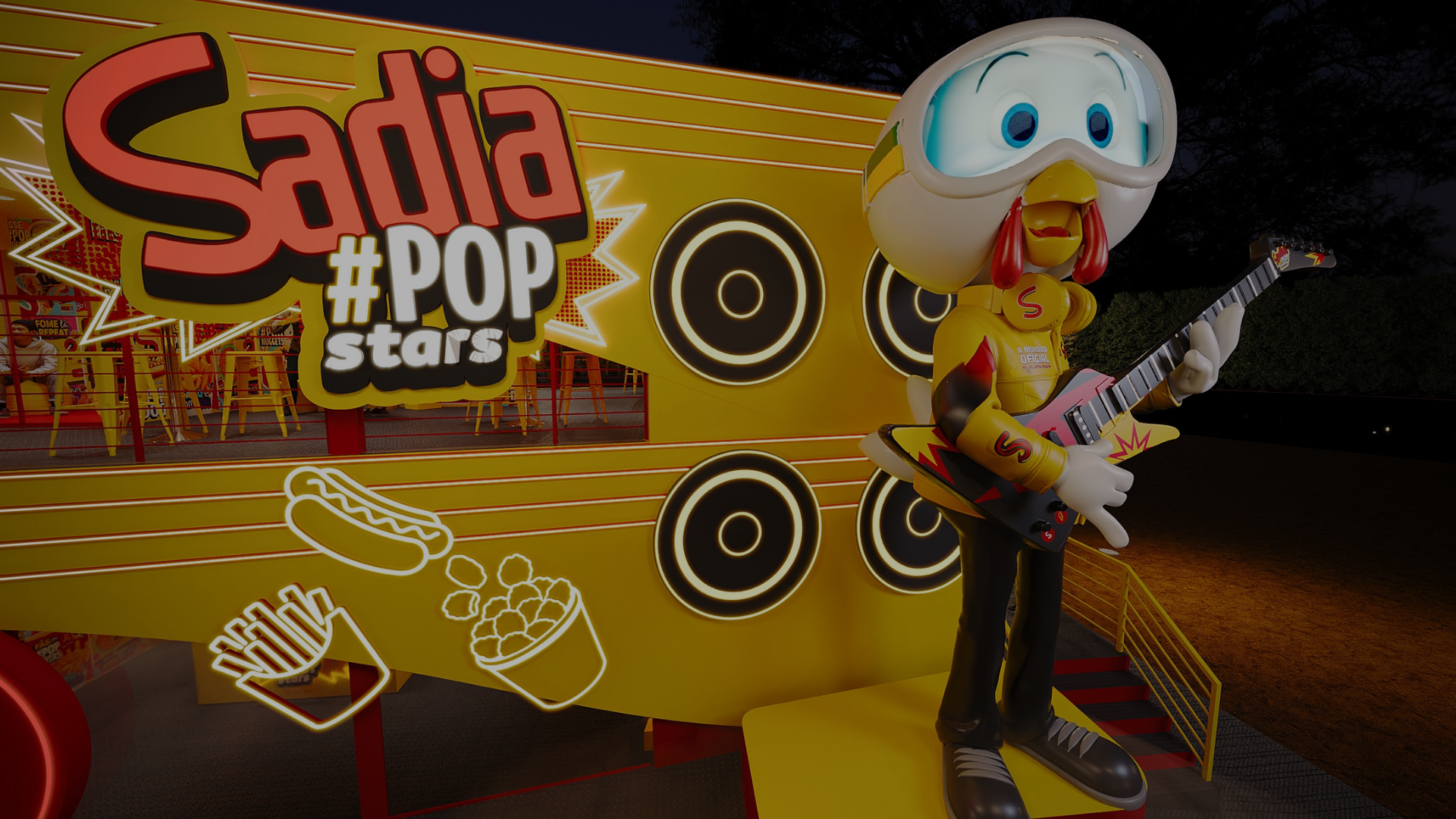
That thinking guided our work for Sadia at Lollapalooza Brasil 2026. Rather than creating a standalone activation, we built a brand platform designed to connect with audiences through culture, behavior and fandom. The objective wasn't simply to generate attention during the festival it was to create an experience that people would continue to remember and associate with the brand long after the event.
"This is our second project with BRF, reinforcing the strength of our partnership. Sadia is part of Brazilian everyday life, and leading its presence at Lollapalooza reflects both the trust we've built together and our shared creative ambition."
Projects like this are only possible when brands and agencies share the same strategic vision. It's no longer about showing up. It's about creating meaning. As the Experience Economy continues to reshape marketing, consumers increasingly value memorable experiences over traditional advertising. That shift fundamentally changes the role of brands.
What Remains After the Festival?
Ultimately, we're talking about brand building, cultural relevance, narrative consistency and long-term relationships. Experience is no longer a one-off campaign. It has become a central component of long-term brand strategy.
Which raises an important question: What remains after the festival ends? What do people actually take away from the experience? How does the activation continue to exist in their lives?
If the answer is simply "a great moment," we're still approaching the problem through yesterday's lens. But if the answer includes memory, emotional connection and continuity, then we're creating brands that truly matter.
Because in the end, it's not about what happens during the festival. It's about what people carry with them afterwards.